Know the archipelago
Puerto Rico rewards a regional plan.
San Juan, the rainforest northeast, the surf coast, the dry southwest, the central mountains, Vieques and Culebra can feel like separate trips. Puerto Rico’s greatest strength is that range: centuries of architecture, deeply influential music and food, coral cays, rain forest, dry forest and mountain coffee all fit within one archipelago. Its greatest planning trap is trying to consume all of it at once.
A brief history
Taíno communities called the island Borikén or Borinquen long before Spanish colonization began in 1508. San Juan was established in 1521 and became a heavily fortified strategic port. Colonial wealth in sugar and other crops relied on enslaved African labor; slavery was abolished in 1873.
Spain ceded Puerto Rico to the United States in 1898 after the Spanish–American War. Puerto Ricans became U.S. citizens in 1917, and the present commonwealth constitution took effect in 1952. Political status remains complex and contested. This history continues to shape migration, language, identity, infrastructure and daily life.
What Puerto Rico is most known for
Old San Juan and its forts, El Yunque, bioluminescent bays, Flamenco Beach, surfing in Rincón, coffee and rum, mofongo and lechón, baseball, and musical traditions that include bomba, plena, salsa and reggaetón.
Geography
The main island is roughly 100 by 35 miles, but mountain roads and metropolitan traffic stretch travel times. Puerto Rico’s 78 municipalities extend from a wet northeastern rain forest to dry southern coast, limestone karst in the north, the Cordillera Central and the inhabited island-municipalities of Vieques and Culebra.
Weather, pace & season
February and March are easiest. Ten to fourteen nights makes the island make sense.
December–April
Drier weather, lower humidity and reliable outdoor days. February and March are especially appealing. Expect the highest room prices and reserve Vieques, Culebra and holiday weekends early.
May–June
Warm, lush and often less expensive. Afternoon rain is more common and the Atlantic-facing east can see increasing sargassum. This is a good flexible road-trip window.
July
Hot, humid and lively, with patron-saint festivals and busy local beach weekends. Expect passing showers, active sargassum on exposed shores and flexible hurricane-season planning.
August–November
Heat, heavy rain and peak hurricane risk make rigid multi-stop plans fragile. September and October are quiet for a reason; some small businesses reduce hours.
Is Puerto Rico hurricane-safe?
No Caribbean island is. Atlantic hurricane season runs June through November, with the highest risk generally August through October. Puerto Rico has extensive services, but storms can still close airports, ferries and roads and interrupt power or water. In rural areas and on Vieques or Culebra, ask lodging about generators, water storage and cancellation policy.
Airports, roads & public ferries
Fly into San Juan—then decide which parts of Puerto Rico actually belong in this trip.
San Juan · SJU
Luis Muñoz Marín International Airport handles the broadest flight network and is the practical entry for San Juan, El Yunque, Fajardo and most first trips. U.S. citizens do not need a passport for travel from the mainland; other travelers follow U.S. entry rules.
Aguadilla · BQN / Ponce · PSE
Aguadilla can save hours for a west-coast trip. Ponce can suit the south when schedules align. Both have far fewer routes than SJU, so compare the whole itinerary.
Vieques & Culebra
Small aircraft operate from Ceiba and San Juan-area airports on changing schedules. Flying costs more than the ferry but can recover much of a vacation day. Baggage limits are strict; reserve early and read the operator’s exact airport code.
Public ferry to Vieques
Puerto Rico Ferry runs between Ceiba and Vieques, with a typical crossing of about one hour. Buy for an exact date and departure, arrive early and build slack around weather. Ceiba is roughly an hour from San Juan in light traffic, often longer in real conditions.
Public ferry to Culebra
The Ceiba–Culebra crossing is typically about 90 minutes. Day trips are possible, but an overnight stay protects the experience from queues and a short beach window. A limited Vieques–Culebra sailing is currently scheduled only on the last Sunday of the month and is not a dependable island-hopping backbone.
Cars do not solve the ferry
Do not plan to bring a mainland rental car aboard. Vehicle space is restricted and rental vehicles are not permitted. Reserve a rental car, Jeep, taxi or other transport separately on Vieques; on compact Culebra, cars, golf carts and taxis all serve different needs.
Main-island transportation
Rideshare and taxis work well in greater San Juan. Outside the metro, public transport is too limited for a broad visitor itinerary. Rent a car for El Yunque, west, south or mountains; account for tolls, parking and steep secondary roads. Skip the car while based in Old San Juan.
Choose your Puerto Rico
Eight useful bases—and the trip each one creates.
Hotel names are planning anchors, not endorsements or promises of current availability. Always compare recent reviews, fees, beach condition and exact location.
Best for history, architecture & a car-free first stay
Old San Juan
Blue cobblestones, plazas, forts and superb restaurants make the old city Puerto Rico’s most atmospheric base. It is walkable and wonderfully alive after day-trippers leave; choose another coast when a resort beach is the priority.
- Nearby
- El Morro, San Cristóbal, La Perla viewpoints, Cataño ferry
- Consider
- Hotel El Convento, Palacio Provincial, Decanter Hotel, Gallery Inn
Best for beach + city, nightlife & short trips
Condado, Ocean Park & Isla Verde
Condado has refined hotels and dining; residential Ocean Park feels calmer; Isla Verde puts a broad beach beside the airport. All three work well without a car. Atlantic currents can be powerful, so select swimming areas by the day’s flags.
- Nearby
- Old San Juan, Santurce, Piñones, airport
- Consider
- Condado Vanderbilt, La Concha, O:live, Fairmont El San Juan, Royal Sonesta
Best for El Yunque, resorts, families & boat days
Río Grande, Luquillo & Fajardo
The northeast is the easiest pairing of rainforest and sea. Río Grande holds the major resorts, Luquillo adds a public beach and famous kiosks, and Fajardo is the launch point for the Cordillera cays. A car makes the region much easier.
- Nearby
- El Yunque, Luquillo, Icacos, Seven Seas, Ceiba ferries
- Consider
- St. Regis Bahia Beach, Wyndham Grand Rio Mar, Hyatt Regency Grand Reserve, El Conquistador
Best for wild beaches, romance & Mosquito Bay
Vieques
Vieques deserves at least three nights. Its south shore is social around Esperanza; the north is convenient to Isabel II and the ferry. Beaches spread across a large wildlife refuge, and transport is limited enough that an advance rental or arranged taxi matters.
- Nearby
- Mosquito Bay, Sun Bay, La Chiva, Caracas, Punta Arenas
- Consider
- El Blok, Finca Victoria, Hix Island House, Blue Horizon, local guesthouses
Best for beaches, snorkeling & a low-key escape
Culebra
Culebra is smaller and sleepier than Vieques. Flamenco draws day visitors, but overnight guests gain quiet mornings, easy access to Tamarindo and time for a water taxi to Culebrita. Expect simple infrastructure.
- Nearby
- Flamenco, Tamarindo, Carlos Rosario, Culebrita, Ensenada Honda
- Consider
- Club Seabourne, Mamacita’s, Aleli Cottages, locally managed villas
Best for surf, sunsets & the west-coast road trip
Rincón, Aguadilla & Isabela
Rincón has the strongest visitor scene and sunset rhythm; Aguadilla adds airport convenience and Crash Boat; Isabela mixes dramatic coast with quieter luxury. Winter surf is a major draw, but a car is essential and the drive from San Juan is substantial.
- Nearby
- Domes, Steps, Crash Boat, Jobos, Guajataca
- Consider
- Horned Dorset Primavera, Royal Isabela, Villa Montaña, Rincón Beach Resort
Best for calm Caribbean water, nature & diving
Cabo Rojo, Lajas & La Parguera
The dry southwest feels completely different from San Juan. Choose it for Buyé, Combate, the salt flats, La Playuela and boat access from La Parguera. Nightlife is local and weekend-oriented; the reward is warm color, calmer water and fewer long-haul visitors.
- Nearby
- Cabo Rojo refuge, La Parguera reefs, Boquerón, Guánica
- Consider
- Combate Beach Resort, Parguera Plaza, Parador Boquemar, Copamarina nearby
Best for architecture, coffee, hiking & a deeper second trip
Ponce, Guánica & the central mountains
Ponce brings museums and grand southern architecture; Guánica has dry forest and a quiet coast. Inland, Utuado, Jayuya, Adjuntas and Orocovis reveal coffee country, caves, rivers and Taíno heritage. Lodging is more intimate and drives are steep.
- Nearby
- Ponce historic center, Guánica Dry Forest, Caguana, Toro Verde, coffee haciendas
- Consider
- Ponce Plaza, Hilton Ponce, Copamarina, mountain inns, paradores and glamping
Atlantic drama & Caribbean calm
Puerto Rico’s best beach depends on the coast, swell and the day.
There are hundreds of beaches, many without lifeguards. North- and west-coast surf changes dramatically by season; rip currents are a serious hazard. Check flags and the National Weather Service, and never equate clear water with safe water.
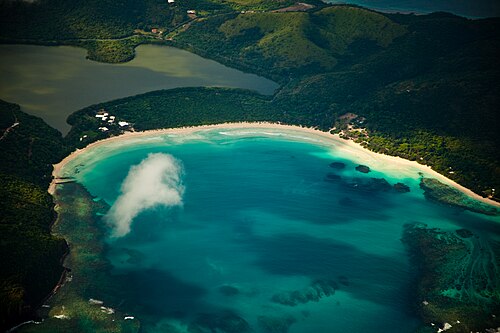
Flamenco · Culebra
A broad white crescent with clear blue water and one of Puerto Rico’s iconic views. Go early, watch the swimming flags and remember that ferries can make a day trip feel much shorter than it looks on paper.
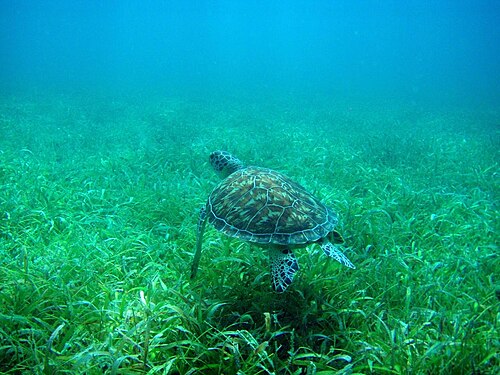
Tamarindo & Carlos Rosario · Culebra
Rockier shores with rewarding snorkeling in settled conditions. Turtles are possible, never guaranteed; use reef-safe habits and keep generous distance from wildlife.
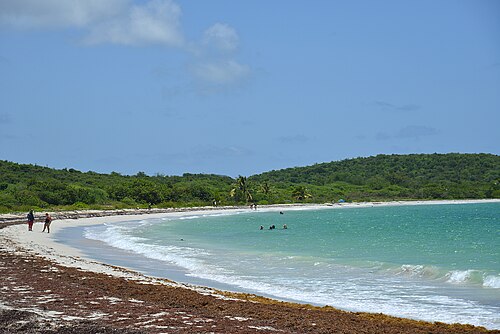
La Chiva & Caracas · Vieques
Long, undeveloped refuge beaches reached by car along numbered roads. La Chiva offers many pull-offs; Caracas is easier for a simple swim-and-picnic day. Carry food, water and shade.
Sun Bay · Vieques
The most convenient full-service beach on Vieques, close to Esperanza and generally easier for families than remote refuge coves.
Luquillo · northeast
A palm-lined public balneario with facilities and food nearby. It is the easy beach companion to an El Yunque day, though weekends and holidays become busy.
Seven Seas & Icacos · Fajardo
Seven Seas is the shore-access option; uninhabited Icacos is reached by licensed boat. Conditions and sargassum exposure can differ sharply even on the same day.
Escambrón & Ocean Park · San Juan
Escambrón is among the city’s better protected swimming and snorkeling choices. Ocean Park is beautiful but more exposed; Condado’s currents demand particular caution.
Crash Boat · Aguadilla
Bright water, a photogenic pier and an energetic local scene. Arrive early on weekends; boats, depth changes and jumpers make situational awareness important.
Jobos · Isabela
A dramatic surf beach with a protected-looking corner that can still develop strong current. Excellent for watching experienced surfers; swim only where current local advice supports it.
Domes & Steps · Rincón
Domes is primarily a surf beach; Steps can offer good snorkeling when summer seas are calm. Winter swell transforms both, so never assume a familiar entry remains safe.
Buyé · Cabo Rojo
Warm, usually calmer Caribbean water and a relaxed local feel. Weekdays are mellow; holiday weekends are not. Parking and facilities are limited beyond the main access.
La Playuela, Boquerón & Combate · southwest
La Playuela pairs cliffs and lighthouse scenery with a rough access road and little shade. Boquerón and Combate are easier town-and-beach choices for a full day.
The east and southeast carry the greatest exposure
Checked July 29, 2026
Regional monitoring shows record-high June sargassum in the Caribbean Sea and continuing beaching through July. Puerto Rico’s exposed east and southeast—including parts of Fajardo, Humacao, Yabucoa, Maunabo, Vieques and Culebra—face the greatest recurring risk. North-coast beaches can also receive it. West and southwest shores around Aguadilla, Rincón and Cabo Rojo are often more dependable, though no coast is guaranteed clear.
The experiences that explain the island
Puerto Rico’s most worthwhile tours.
The strongest experiences add context, access or safety.
Old San Juan + both forts
Walk the old city after touring El Morro and San Cristóbal. The National Park Service ticket covers both forts for 24 hours; start early and save the shaded streets for midday.
El Yunque with a naturalist
Combine waterfalls, forest ecology and a current trail plan. La Mina and Big Tree trails remain closed at this review, so choose a guide who adjusts.
Mosquito Bay after dark
Vieques’ bioluminescent bay is the headline night experience. Reserve a permitted operator, compare the moon phase and never expect a phone camera to reproduce what your eyes see.
Culebra beach + snorkel day
A full-day catamaran or an overnight stay gives far more breathing room than forcing Flamenco, snorkeling and two ferry crossings into one rushed day.
Icacos or Palomino boat day
Fajardo charters reach bright-water cays in the Cordillera reserve. Read the vessel size, shade, snorkel support and exact landing plan before booking.
Cabo Rojo refuge & salt flats
Pair the lighthouse landscape with La Playuela, salt ponds and a southwest meal. Heat and unshaded trails make an early start valuable.
La Parguera reefs & night water
Choose a conservation-minded small boat for mangrove channels, offshore reefs or bioluminescence. Avoid tours that encourage sunscreen, food or careless swimming in sensitive water.
Coffee country
Visit a working hacienda around Adjuntas, Jayuya, Lares or Maricao to connect Puerto Rico’s mountain climate, labor and agricultural history to the cup.
Caguana + central mountains
The Caguana Indigenous Ceremonial Center gives essential Taíno context. Pair it with Utuado scenery, a local guide and an unhurried mountain day.
Guánica Dry Forest
Hike a UNESCO biosphere reserve ecosystem that contrasts sharply with El Yunque. Confirm trail access and carry more water than the short mileage suggests.
Toro Verde or mountain adventure
Orocovis is home to major ziplines and suspension attractions. For something quieter, choose guided river, cave or forest experiences matched to weather and fitness.
Rum, salsa & Santurce
Casa Bacardí and Ron del Barrilito interpret different rum traditions. Back in San Juan, add live music, galleries or a guided salsa evening.
Reefs, trade winds & winter swell
The water changes completely from east to west.
Deep-sea fishing
Puerto Rico is one of the region’s strongest offshore-fishing bases. San Juan reaches the deep North Drop quickly for blue and white marlin, sailfish, tuna, wahoo and mahi-mahi; Fajardo and Humacao serve eastern grounds, while Mayagüez and the west coast offer different current lines and departure logistics.
Best timing: Blue marlin is especially associated with summer and early autumn, mahi with late winter and spring, and wahoo with cooler months. Tournament dates and moon phases raise demand, so reserve serious full-day boats early.
Scuba diving
Puerto Rico is a collection of dive regions, not one house reef. Culebra and Vieques offer turtles, coral gardens and smaller-island atmosphere. Fajardo operators reach the Cordillera cays. The west has shore entries around Crash Boat and boat access toward Desecheo; the southwest launches to La Parguera reefs and wall diving.
Desecheo, the La Parguera Wall and expedition trips toward Mona are exposed, advanced boat dives whose availability depends on sea state and operator experience. Possible wildlife includes turtles, rays, nurse sharks, barracuda, lobster and schooling reef fish—never guaranteed.
Snorkeling
Culebra’s Tamarindo and Carlos Rosario, Vieques’ Punta Arenas, San Juan’s Escambrón and boat trips from Fajardo or La Parguera are useful starting points. Shore sites are condition-dependent: summer can calm the west while winter swell makes the same entry unsuitable. Wear flotation if needed, never stand on coral and join a guide when current or boat traffic is unfamiliar.
Sailing
Fajardo and Ceiba are the principal cruising and charter hub, with deep provisioning and marine services around Puerto del Rey and nearby marinas. Popular waters include Icacos, Palomino, Ensenada Honda on Culebra and the protected southern sides of Vieques. La Parguera and Boquerón serve the southwest.
The north coast is exposed and offers few all-weather anchorages; the Mona Passage demands real offshore judgment. Wildlife refuges, reefs, military-remediation zones and unexploded-ordnance closures around Vieques and Culebra must be respected. Use current charts and designated moorings. Vessels arriving in Puerto Rico from outside the United States must follow CBP reporting rules; the CBP ROAM app is an official reporting option for eligible pleasure boats.
Surfing
Puerto Rico is one of the Caribbean’s most established surf destinations. Winter north swell lights up Rincón’s Domes, Maria’s and advanced Tres Palmas; Aguadilla’s Wilderness and Gas Chambers; and Isabela’s Jobos and Middles. These are not interchangeable skill levels—reef, current and crowd require humility.
Schools also use gentler conditions around Pine Grove in Isla Verde, La Pared in Luquillo and selected west-coast breaks. Let an instructor select the beach for that morning. Summer is usually smaller, while tropical systems can create dangerous swell even under blue sky.
Boricua culture, rainforest & mountains
Puerto Rican identity reaches far beyond Old San Juan.
Culture
Boricua identity draws from Taíno, African, Spanish, Caribbean and U.S. histories while remaining distinctly Puerto Rican. Spanish is the language of most daily life. Bomba and plena carry percussion, community and history; salsa and reggaetón are global forms with deep Puerto Rican influence. Baseball, visual art, poetry, religious festivals and neighborhood patron-saint celebrations are equally important.
Approach La Perla, Loíza, Santurce and mountain communities as lived places, not aesthetic backdrops. Hire local guides, ask before photographing people and spend with independent restaurants, artists and operators.
Food
Look beyond a single mofongo: lechón, arroz con gandules, pernil, alcapurrias, bacalaítos, pastelón, asopao, pasteles, tembleque, mallorcas and quesitos tell different regional and seasonal stories. Coffee and rum deserve the same attention as cocktails.
El Yunque
The only tropical rainforest in the U.S. National Forest system is free to enter through the PR-191 North recreation corridor and currently requires no reservation. Capacity is managed by limited parking, so arrive early. At this review, La Mina and Big Tree trails remain closed; part of the El Yunque Peak route is also closed. El Portal visitor center has a separate admission fee.
Heavy rain can trigger flash floods far from where clouds are visible. Check Forest Service conditions that morning and never enter a river or waterfall channel during a warning.
Beyond the rainforest
Guánica Dry Forest, Toro Negro, Maricao, Guajataca, Río Abajo and the karst country around Utuado reveal very different ecosystems. Caguana adds essential Taíno heritage; coffee routes connect climate, agriculture and rural life. Mountain drives are slow, signal can disappear and cave or river tours should match the forecast.
The annual calendar
January begins with tradition—and ends with Old San Juan dancing.
Puerto Rico's long Christmas season reaches a memorable conclusion in January, while Ponce carries the color forward into the pre-Lenten calendar. These are major travel periods; reserve lodging early and expect road closures, crowds and limited parking near parade routes.
January 6 · Juana Díaz & other municipalities
Three Kings Day Celebrations
Costumed Reyes Magos, parades, music and religious traditions preserve one of Puerto Rico's most cherished holiday observances.Third weekend of January · Old San Juan
Fiestas de la Calle San Sebastián
Puerto Rico's largest street festival fills the old city with live music, dancing, artisan markets, performances and the famous cabezudo puppets.February or March · Ponce
Carnaval Ponceño
A week of parades, bomba and plena, elaborate masks and mischievous vejigantes culminates just before Ash Wednesday.Restaurants & hotels
Plan a food route, not a checklist of famous reservations.
Restaurant hours and chefs change. Reserve destination dining, but leave space for bakeries, kiosks, lechoneras, seafood shacks and the place a local recommends that morning.
José Enrique, Cocina Abierta, Santaella, Casita Miramar, Vianda and Marmalade represent very different styles; give Santurce and Miramar a full evening.
Eat through the Luquillo kiosks, seek seafood around Fajardo, try Bacoa in Juncos and follow the roast-pork lechoneras of Guavate.
Rincón, Isabela, Boquerón and La Parguera mix chef-led kitchens, surfer cafés and weekend seafood. Build meals around where you are.
El Blok, Coqui Fire, Tin Box and Esperanza’s waterfront are useful Vieques starting points; Culebra favorites include Zaco’s, Dinghy Dock and Mamacita’s. Confirm open days and reserve.
Hotel strategy
Spend for the experience your region actually delivers.
City luxury
Condado Vanderbilt, O:live, La Concha and Fairmont El San Juan pair services with urban access; Old San Juan’s smaller heritage hotels trade beach frontage for atmosphere.
Resort coast
St. Regis Bahia Beach, Wyndham Rio Mar, Hyatt Regency Grand Reserve and El Conquistador suit travelers who want a contained northeast base. Read beach-access and resort-fee details.
Independent Puerto Rico
Paradores, guesthouses, villas and mountain inns often create the strongest sense of place. On Vieques, Culebra and rural routes, confirm transport, backup power, water, air-conditioning and minimum stays before paying.
Practical details
The practical details.
Both are official; Spanish dominates everyday life. English is common in tourism, not universal.
No currency exchange is needed for U.S. visitors.
ATMs and cards are widespread. Keep cash for kiosks, toll contingencies, tips and smaller island businesses.
The same standard as the mainland United States. Outages remain possible.
Use filtered or bottled water after outages, storms or local advisories.
Road trips are practical on the main island. San Juan traffic and mountain roads require patience.
Cash & cards
Cards work widely, but carry cash for parking, kiosks, beach vendors, rural businesses and outages. Vieques and Culebra have fewer backup options. Puerto Rico applies an 11.5% sales and use tax to many purchases; hotel taxes, cleaning charges and resort fees can be additional.
Transportation
Drive on the right. Major roads are generally straightforward, but San Juan congestion, tolls, mountain switchbacks and potholes add time. Never leave luggage or beach gear visible in a parked car. Download offline maps for mountain and refuge roads.
Safety
Use ordinary city awareness in San Juan, secure belongings and avoid isolated beaches or trailheads after dark. Car break-ins are a more practical visitor risk than dramatic crime headlines. The major natural hazards are rip currents, heat, flash floods, hurricane disruption and unguarded water. Hospitals and specialists are concentrated on the main island; Vieques and Culebra have limited services.
Health & vaccines
Be current on routine vaccines. CDC recommends hepatitis A and B for unvaccinated travelers and lists typhoid for many visitors, especially those staying with family or visiting smaller cities and rural areas. Mosquito protection matters for dengue and Zika. Avoid floodwater and muddy freshwater after heavy rain because of leptospirosis and other infections; discuss personal risks with a clinician.
Research desk
Official sources & live checks
Ferry schedules, forest closures, refuge access, surf, sargassum and restaurant days change. These are the primary final checks behind this guide.