Know the archipelago
It looks like one butterfly on the map. It travels like several distinct islands.
Guadeloupe is a French Caribbean archipelago where a rental car can carry you from shallow turquoise lagoons to cloud forest, volcanic slopes and black-sand coves in a single day. Grande-Terre and Basse-Terre form the main butterfly; Les Saintes, Marie-Galante and La Désirade reward travelers who give the wings a little room.
A brief history
Arawak peoples and later the Kalinago inhabited the islands before French settlers arrived in 1635. Sugar plantations enriched colonial France through land seized from Indigenous people and the forced labor of enslaved Africans. Slavery was permanently abolished in 1848.
Guadeloupe became a French overseas department in 1946 and is now both a department and region of France, as well as an outermost region of the European Union. That political status shapes everything from currency and roads to food standards and immigration rules, while Guadeloupean identity remains profoundly Caribbean and Creole.
What it is most known for
La Soufrière volcano, the Cousteau Reserve, white and black beaches, cane rum, zouk music, Creole cooking, the harbor of Les Saintes and the instantly recognizable butterfly shape.
Geography
Grande-Terre is flatter, drier and limestone-based, with most of the classic white-sand lagoons. Basse-Terre is volcanic, mountainous and rain-soaked, rising to 1,467-meter La Grande Soufrière—the highest peak in the Lesser Antilles. A narrow channel separates the two main islands; traffic makes it feel wider.
Plan your trip
Come for the dry season. Stay long enough to use both wings.
February–April
The most dependable blend of drier weather, lower humidity, hiking access and comfortable beach days. It is also peak season, so reserve early.
December–January & May
December and January are festive; May can bring attractive value. Expect occasional showers and increasing humidity as spring advances.
June–November
Wetter, hotter and within Atlantic hurricane season. Sargassum and storm disruption are most important to monitor.
Is Guadeloupe hurricane-safe?
No. Hurricane season runs June through November, with greatest concern usually August through October. The archipelago has experienced damaging hurricanes, so use suitable travel insurance, flexible bookings and official forecasts. An island can be French and still cannot negotiate with weather.
Arrivals & island connections
Fly into the middle. Ferry outward from the right coast.
Pointe-à-Pitre International Airport (PTP) sits in Les Abymes between Grande-Terre and Basse-Terre. Most visitors connect through Paris, Montréal or a Caribbean hub; schedules are seasonal. Immigration rules are French, so confirm current entry requirements for your nationality through an official French source.
Pointe-à-Pitre International
Allow roughly 20–35 minutes to Le Gosier, 35–60 minutes to Sainte-Anne and considerably longer to Deshaies or Saint-Claude. Rush-hour traffic around Les Abymes, Pointe-à-Pitre and the bridges can rewrite the plan.
Les Saintes, Marie-Galante & La Désirade
Fast boats run Trois-Rivières–Terre-de-Haut in roughly 25 minutes. Pointe-à-Pitre–Grand-Bourg, Marie-Galante takes about an hour, while Saint-François–La Désirade is roughly 45 minutes. Routes, ports and frequency vary by operator and weather; verify the live schedule before fixing hotels.
Dominica, Martinique & Saint Lucia
FRS Express operates regional service from Guadeloupe, usually taking about 2½ hours to Dominica, 4¾ hours to Martinique and 6¾ hours to Saint Lucia with intermediate stops. Frequency varies seasonally and sea conditions can be lively. International immigration and baggage rules apply.
Petite-Terre
The protected islets are reached on authorized day tours from Saint-François, not by hop-on public ferry. Capacity is managed; book ahead, follow reserve instructions and do not treat wildlife sightings as guaranteed appointments.
Choose your base
Where to stay in Guadeloupe
For more than a week, split your stay. One Grande-Terre base plus one Basse-Terre base prevents the island’s infamous bridge traffic from becoming your most vivid cultural experience.
Best for a first trip & white-sand beaches
Sainte-Anne & Saint-François
Grande-Terre’s well-developed southeast pairs shallow turquoise lagoons with restaurants, markets and easy access to Pointe des Châteaux. Sainte-Anne feels more local and walkable; Saint-François adds a marina, golf and a broader villa scene.
- Nearby
- La Caravelle, Bois Jolan, Raisins Clairs, Petite-Terre boats
- Consider
- La Toubana, Club Med La Caravelle, Hôtel Amaudo and private villas
Best for convenience, nightlife & sailing
Le Gosier & Bas-du-Fort
The most practical base for a short visit sits close to the airport, Pointe-à-Pitre, restaurants and the main marina. It is busier and more urban than the postcard coasts, but excellent for late arrivals, charter trips and travelers who dislike isolation.
- Nearby
- Îlet du Gosier, Mémorial ACTe, Bas-du-Fort marina, airport
- Consider
- La Créole Beach Hôtel, Auberge de la Vieille Tour, Fleur d’Épée and Canella Beach
Best for romance, sunsets & a slower coast
Deshaies & northwest Basse-Terre
Colorful Deshaies faces the calmer Caribbean side beneath steep green hills. Grande Anse and La Perle are close, the botanical garden is lovely and evenings feel intimate. Roads are winding, so it is not the quickest base for Grande-Terre.
- Nearby
- Grande Anse, La Perle, botanical garden, west-coast snorkeling
- Consider
- Langley Resort Fort Royal, Le Rayon Vert, Tendacayou and hillside villas
Best for diving, snorkeling & eco-stays
Bouillante & Pointe-Noire
Choose the west coast for Malendure, Pigeon Islets and the Cousteau Reserve. The landscape is lush and volcanic, with hot springs and small coves. Independent apartments and gîtes outnumber full-service resorts.
- Nearby
- Cousteau Reserve, Malendure, hot springs, Guadeloupe National Park
- Consider
- Malendure guesthouses, villas and locally run eco-gîtes
Best for La Soufrière, waterfalls & Les Saintes
Saint-Claude, Trois-Rivières & the south
This is the strategic nature base: cooler mountain air around Saint-Claude, trail access, black-sand beaches and the fast ferry from Trois-Rivières. It is a superb second base, though less suited to travelers wanting nightlife or resort beaches.
- Nearby
- La Soufrière, Carbet Falls, Grande Anse black sand, Les Saintes ferry
- Consider
- Hotel Saint-Georges, Jardin Malanga and rainforest lodges
Best for car-light charm & a beautiful harbor
Terre-de-Haut, Les Saintes
A few nights reveal the archipelago beyond the day-trip rush. Walk or scooter between Fort Napoléon, Pain de Sucre and cafés around the harbor. Accommodation is smaller and ferry capacity matters during holidays.
- Nearby
- Baie des Saintes, Pompierre, Pain de Sucre, Fort Napoléon
- Consider
- Hôtel Bois Joli, Le Kanaoa, Les Petits Saints and small guesthouses
Best for rum, rural calm & empty-feeling beaches
Marie-Galante
The round, low island moves at sugar-cane speed. Distilleries, mills and broad beaches reward two or three nights and a rental car. It is quieter after dark and less polished than Grande-Terre—which is precisely the point.
- Nearby
- Feuillère, Anse Canot, Grand-Bourg, Bellevue and Bielle distilleries
- Consider
- Kawann Beach Hotel, Le Soleil Levant and locally owned guesthouses
Every shade from sugar to volcanic black
Beaches worth building a day around.
Grande-Terre carries the shallow white-sand lagoons; Basse-Terre mixes gold and black sand with a more dramatic shoreline. Atlantic exposure, current and seaweed can make two nearby beaches behave completely differently.
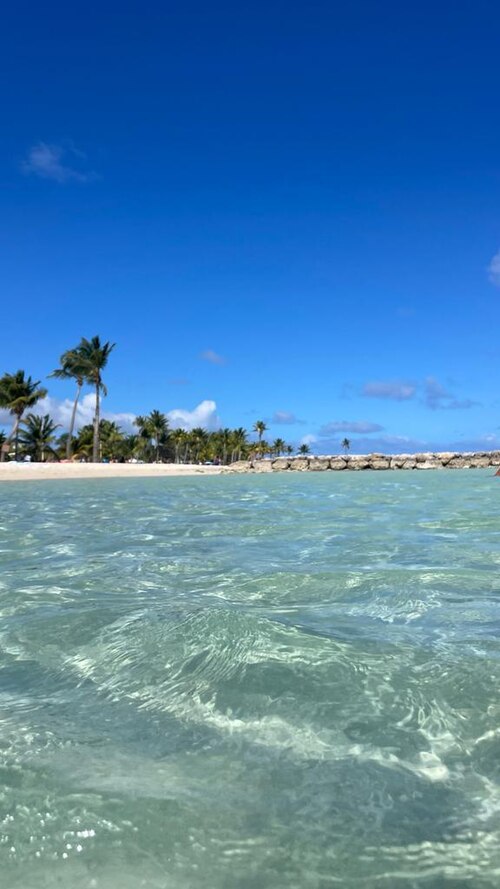
Plage du Bourg, Sainte-Anne
A luminous town beach with shallow water, food stalls and easy access. Arrive early on weekends and school holidays.
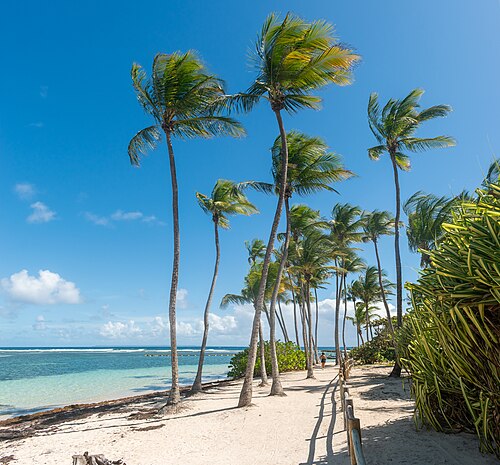
La Caravelle
A long palm-backed lagoon beside Club Med. Public access is permitted, though parking and the walk can feel less obvious than the water deserves.
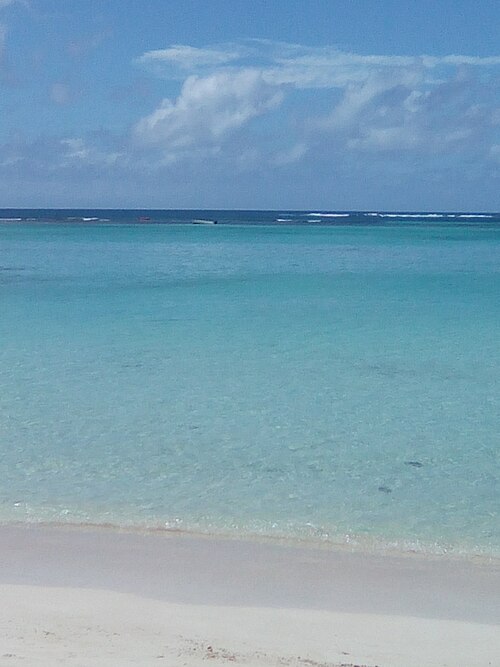
Bois Jolan
Shallow, reef-protected water and shade east of Sainte-Anne. Lovely for families when seaweed conditions cooperate.
Raisins Clairs
An accessible Saint-François favorite with pale sand, clear water and sunset potential.
Souffleur, Port-Louis
A spacious northwest Grande-Terre beach with calm turquoise water, shade and a more local rhythm.
Grande Anse, Deshaies
A dramatic sweep of gold sand backed by forest. Gorgeous, but shore break and sudden depth can demand care.
La Perle
A handsome, less-developed Deshaies beach with restaurants nearby and reliably cinematic sunsets.
Malendure
Volcanic black sand and the launch point for Pigeon Islets. Come for turtles, snorkeling and diving.
Grande Anse, Trois-Rivières
A wild black-sand crescent with powerful scenery. Water conditions can be rough; this is not always a swimming beach.
Pompierre, Les Saintes
A protected, palm-lined bay with shallow water. Sargassum can collect here, so check locally before crossing the island.
Pain de Sucre, Les Saintes
A compact cove beneath its volcanic namesake, with clear snorkeling when calm. Space disappears quickly.
Feuillère, Marie-Galante
One of the archipelago’s finest long white beaches. The reef softens the sea, but windward sargassum exposure is real.
Windward shores need a backup plan.
Checked July 29, 2026
NOAA’s July 25 product and regional reporting indicate an exceptionally large 2026 sargassum season. Guadeloupe’s exposed east and southeast shores—including Atlantic Grande-Terre, eastern Marie-Galante and La Désirade—carry the highest recurring risk. Basse-Terre’s west coast and some Les Saintes coves are usually more sheltered, never guaranteed seaweed-free. Check recent local photos or call the hotel the day before choosing a beach.
The essential experiences
Guadeloupe’s most popular tours.
The smartest guided days solve a real problem: trail conditions, marine-reserve access, wildlife protection or a designated driver for the rum. You do not need a tour simply to sit beautifully on Sainte-Anne beach.
La Soufrière hike
Climb the living volcano with an early start and a guide when weather, gases or trail conditions warrant one.
Carbet Falls
Walk through rainforest to dramatic cascades; choose the accessible second fall or a longer route suited to current conditions.
Cousteau Reserve
Snorkel, dive, kayak or take a glass-bottom boat around Pigeon Islets from Malendure.
Petite-Terre reserve
Join an authorized boat from Saint-François for a carefully managed day of lagoon snorkeling and wildlife.
Les Saintes
Pair Terre-de-Haut’s harbor with Fort Napoléon, Pain de Sucre and a tourment d’amour—or stay after the day boats leave.
Marie-Galante distillery loop
Rent a car or hire a driver for rum estates, old windmills, coastal roads and an unhurried lunch.
Pointe des Châteaux
Walk the headland early for wind-carved cliffs and views toward La Désirade before the heat builds.
Grand Cul-de-Sac Marin
Explore mangroves, seagrass, islets and reef by small boat or kayak with a nature-minded guide.
On & under the water
Reef, wreck and trade-wind territory.
Deep-sea fishing
Guadeloupe has a real French Caribbean big-game tradition, often described locally as pêche au gros. Charters from the Pointe-à-Pitre area, Saint-François, Deshaies and other ports work FADs and blue water for yellowfin tuna, mahi-mahi, wahoo, blue marlin and sailfish.
Best timing: Tuna and mahi are key targets, while billfish become more likely during warmer seasonal windows. Confirm the captain’s language, departure island and catch policy; a boat based on Grande-Terre may not be practical from western Basse-Terre.
Scuba diving
Pigeon Islets and the Cousteau Reserve are the best-known zone, with coral gardens, turtles and sites suitable for beginners through experienced divers. Nearby wrecks include the Franjack at roughly 23 meters and the deeper Augustin Fresnel II. Sec Pâté, a volcanic pinnacle between Les Saintes and Dominica, is a celebrated advanced dive with current and blue-water exposure.
Other operators dive the Grand Cul-de-Sac Marin, Saint-François, Les Saintes and Petite-Terre area. The archipelago supports coral, sponges, gorgonians, reef fish, turtles, rays, barracuda, morays and lobster—but no ethical operator can reserve the wildlife.
Snorkeling
Boat or kayak from Malendure to Pigeon Islets for the signature outing. Calm days can also bring turtles over seagrass near Malendure, clear water at Pain de Sucre and protected-lagoon life around Petite-Terre. Never chase, touch or feed turtles, rays or sharks.
Sailing
Bas-du-Fort is the principal charter and provisioning hub, with larger supermarkets and marine services around Pointe-à-Pitre and Jarry. Useful cruising stops include Îlet du Gosier, Saint-François, Les Saintes, Marie-Galante, Deshaies, Malendure and Anse à la Barque. Petite-Terre uses protected moorings and controlled access—reserve and follow local rules.
Yachts arriving from outside Guadeloupe must complete French customs and immigration formalities at an authorized point, with online or self-service clearance available in some ports and chandleries. Confirm the current office, hours and process before arrival; clear out before sailing internationally. Internal movements within the Guadeloupe archipelago generally do not require a new international clearance.
Surfing
Grande-Terre’s Atlantic coast holds the most consistent breaks. Le Moule and Gros Sable offer options for varied ability when conditions align; powerful La Chapelle is for experienced surfers. Reef, current, access and seasonal swell make local instruction far wiser than optimistic board rental.
Culture, rainforest & volcano
The landscape changes quickly. The lunch should not.
Culture
French is official and Guadeloupean Creole is woven through daily life; English is less dependable than on neighboring Anglophone islands. Zouk, gwo ka drumming and dance, carnival, market culture and a proud literary tradition express an identity that is French on paper and unmistakably Caribbean in practice.
Look for accras, bokit, colombo, boudin créole, dombrés, grilled fish, lambi, coconut sorbet and the small tourment d’amour cakes of Les Saintes. Agricultural rhum is made directly from cane juice; a distillery visit is education, not a competitive tasting event.
Hiking
The classic La Soufrière summit route takes roughly three to four hours round trip in good conditions, but cloud, rain, slippery rock and volcanic gases can change access. Carbet Falls offers several routes of different difficulty. Chutes du Moreau, La Traversée forest road and coastal traces widen the menu.
Start early, carry real rain protection and never confuse a short distance with an easy tropical trail. For remote routes, river crossings or uncertain weather, hire a qualified local guide.
The annual calendar
Four celebrations that open a window into Guadeloupean life.
Carnival brings the archipelago into the streets, while Marie-Galante and Sainte-Anne turn music into reasons to travel between islands. August closes the sequence with a delicious tribute to the women preserving Creole culinary tradition. Dates shift, so confirm the current schedule before booking.
January–Ash Wednesday · Across the archipelago
Guadeloupe Carnival
Drum groups, costumes, dance and sharp social commentary build toward major parades and the burning of Vaval at the close of Carnival.Pentecost weekend · Marie-Galante
Terre de Blues Festival
Caribbean, African and Afro-American music fills this slower-paced island with concerts, community gatherings and an unusually memorable festival setting.Usually early to mid-July · Sainte-Anne
International Gwoka Festival
UNESCO-recognized gwoka comes alive through ka drumming, traditional dance, concerts, workshops and evening gatherings.Usually early August · Pointe-à-Pitre
Fête des Cuisinières
Women in traditional Creole dress lead a colorful procession and banquet celebrating inherited recipes, local ingredients and Guadeloupean hospitality.Restaurants & hotels
French technique met Creole ingredients and wisely stayed for dinner.
Le Lucullus, Le Zagaya, marina dining, market snacks and beachfront lolo-style kitchens
Le Zawag, marina restaurants, Marché de la Darse and spice-market food stalls
Le Mahina, La Savane, L’Amer and changing waterfront specials built around the day’s catch
Small Creole tables, Malendure beach restaurants and mountain auberges—reserve and confirm opening days
Ti Kaz’ La, Au Bon Vivre, Chez Henri and independent kitchens where schedules follow ferries, fish and the season
Hotel strategy
Expect excellent small stays, not endless mega-resorts.
Beach polish
La Toubana, Club Med La Caravelle and selected Saint-François villas offer the most familiar resort experience.
Nature & character
Deshaies, Bouillante, Saint-Claude and Trois-Rivières shine through boutique hotels, apartments and gîtes. A kitchenette is useful and often very French.
Outer islands
Book early, reconfirm ferry-compatible arrival times and ask whether a car or scooter reservation is included. Late dinner options can be limited.
Practical details
A French road trip wearing Caribbean colors.
Basic French makes the trip substantially easier. English is spoken in some hotels and dive shops, not everywhere.
ATMs are widespread on the main islands.
Cards are widely accepted. Carry cash for markets, small beach kitchens and some outer-island services.
Mainland French plugs and voltage apply. North American travelers usually need an adapter and voltage-compatible devices.
Follow local advisories, especially after storms or service interruptions.
A rental car is the easiest way to combine coasts. Roads can be narrow and winding on Basse-Terre.
Cash & cards
Cards are widely accepted at hotels, supermarkets, fuel stations and established restaurants. Automated fuel pumps may reject some foreign cards, so fill up during staffed hours and keep euros in reserve.
Transportation
Drive on the right. A rental car is the easiest way to combine coasts, and splitting bases reduces backtracking. Roads are generally paved but can be narrow and winding on Basse-Terre; avoid mountain driving after dark in heavy rain. Ferries replace cars on some outer-island days.
Safety
Most visits are trouble-free, but petty theft, beach theft and car break-ins occur. Leave nothing visible, avoid isolated areas after dark and protect passports and phones. Strong currents, heat, slippery trails and rapidly rising rivers are often the more immediate risks.
Health & vaccines
Be current on routine vaccines; hepatitis A may be recommended for unvaccinated travelers, with other advice based on age and itinerary. Use mosquito protection against dengue and Zika risk. Yellow-fever vaccination is not normally recommended for Guadeloupe itself, though proof can be required after travel through certain risk countries.
Research desk
Official sources & live checks
Ferries, trails, reef conditions, restaurant hours, airline schedules and health advice change. These official and specialist sources are the best final check before booking.