Know the country
A beach island with an adventurous interior—and two sister islands worth the ferry.
Grenada combines the easy pleasures of a classic Caribbean holiday with enough texture to escape the resort bubble: a storybook harbor, fragrant spice estates, crater-lake rainforest, waterfalls, wreck diving and a strong sailing culture. The nation also includes Carriacou and Petite Martinique, where reefs, traditional boatbuilding and a distinctly Grenadines pace take over.
A brief history
Kalinago resistance delayed European settlement until the French colonized Grenada in the 17th century. Britain took control in 1763, and plantations built on enslaved African labor produced sugar, cocoa and spices. Emancipation came in 1834; Grenada became independent on February 7, 1974.
A 1979 revolution established the People’s Revolutionary Government. Internal conflict and the killing of Prime Minister Maurice Bishop preceded the U.S.-led intervention in October 1983. Modern Grenada is a parliamentary democracy whose African, European, Indian and Indigenous histories remain visible in food, language, music and land use.
What Grenada is most known for
Nutmeg and mace, Grand Anse Beach, chocolate, waterfalls, the horseshoe harbor of St. George’s, Spicemas, oil down, the underwater sculpture park, the Bianca C wreck and sailing through the southern Grenadines.
Geography
The volcanic main island is about 21 miles long and mountainous at its center, with wetter Atlantic slopes and generally calmer Caribbean shores. Carriacou lies roughly 20 miles northeast; tiny Petite Martinique sits beyond it. Roads are scenic, narrow and slow, so map distance is an optimist.
Plan your trip
The dry season is lovely. The shoulder months are smart.
January–May
Drier weather, comfortable humidity and strong conditions for beaches, hiking, diving and sailing. February through April is especially reliable.
Late May–June
Warmer, greener and often better value. Rain and sargassum risk rise, but many days still contain plenty of sun.
July–November
Hotter, wetter and within Atlantic hurricane season. August brings exuberant Spicemas—and high local demand.
Is Grenada hurricane-safe?
No. Grenada lies near the southern edge of the primary Atlantic hurricane zone, but “far south” does not mean immune. Hurricane Ivan devastated the main island in 2004, and Category 4 Hurricane Beryl struck Carriacou in 2024. For June–November trips, buy suitable insurance, use flexible bookings and monitor official forecasts.
Arrivals & island connections
How to get there—and how to reach the sister islands.
Maurice Bishop International Airport (GND) receives nonstop and connecting service from North America, Britain and Caribbean hubs. Flight schedules change seasonally. Grenada introduced an online immigration and customs card in March 2026; use only the official government portal and confirm current timing before departure.
Maurice Bishop International
GND is close to Magazine Beach, True Blue and the southwest resorts. Typical transfers are about 10–20 minutes to the southern peninsula and 15–30 minutes to Grand Anse, depending on traffic.
Carriacou & Petite Martinique
Osprey Lines links St. George’s with Tyrell Bay, Carriacou, and operates onward service to Petite Martinique on selected days. Grenada–Carriacou crossings are usually about 90 minutes to two hours and can be rough. Exact days and times change—never build a same-day international flight around an unverified ferry.
Choose your base
Where to stay in Grenada
For a first trip, the southwest wins on convenience. Travelers prioritizing nature, privacy or sailing may be happier elsewhere—and Carriacou is different enough to justify its own stay.
Best for a first visit & beach convenience
Grand Anse & Morne Rouge
This is Grenada’s easiest vacation base: the island’s signature beach, calm swimming, restaurants, shops, buses and quick access to St. George’s. Grand Anse is livelier and more polished; Morne Rouge is a smaller, quieter cove just over the hill.
- Nearby
- Grand Anse, BBC Beach, St. George’s, dive boats, spice market
- Consider
- Spice Island Beach Resort, Silversands Grenada, Mount Cinnamon, Coyaba, Blue Horizons
Best for villas, sailing & restaurants
Lance aux Épines, True Blue & Prickly Bay
The indented southwest peninsula feels residential, breezy and yacht-friendly. It suits independent travelers who want a villa, marina restaurants and easy airport access, but its smaller beaches cannot match Grand Anse for long barefoot walks.
- Nearby
- Prickly Bay, True Blue, Clarkes Court Bay, SGU, airport
- Consider
- Calabash, True Blue Bay Boutique Resort, Secret Harbour and private villas
Best for history & harbor atmosphere
St. George’s & Port Louis
Stay near the capital for the Carenage, forts, markets and colorful hillside streets. It is atmospheric and useful before a ferry, but steep lanes, cruise-day traffic and the lack of a major swimming beach make it better for a short stay than a full beach week.
- Nearby
- The Carenage, Fort Frederick, market square, ferry terminal, Molinere
- Consider
- Mount Edgecombe’s city alternatives, apartments and small harbor-area hotels
Best for quiet luxury & nature
La Sagesse, St. David’s & the southeast
The southeast trades the busy tourist corridor for forested coves, mangroves and a slow retreat-like pace. La Sagesse is romantic and Six Senses adds serious luxury; a rental car or driver is valuable because most dining and nightlife sit elsewhere.
- Nearby
- La Sagesse Beach, Westerhall, St. David’s, rainforest day trips
- Consider
- Six Senses La Sagesse, La Sagesse Hotel and selected villas
Best for local life, spices & road trips
Gouyave, Sauteurs & the north
Grenada’s north and west coast bring fishing villages, cocoa, nutmeg, waterfalls and volcanic scenery with very little resort gloss. It rewards curious travelers but requires patience on winding roads and offers fewer evening choices.
- Nearby
- Gouyave Fish Friday, Belmont Estate, River Antoine, Bathway, Levera
- Consider
- Petite Anse Hotel, Mount Edgecombe Plantation and small guesthouses
Best for reefs, sailing & a slower Grenadines rhythm
Carriacou
Carriacou deserves at least two or three nights. Base near Tyrell Bay for yachts and diving, or L’Esterre/Paradise Beach for sand and sunsets. Hurricane Beryl caused catastrophic damage in 2024, so reconfirm each lodging and service directly as recovery continues.
- Nearby
- Paradise Beach, Sandy Island, Anse La Roche, Tyrell Bay, Windward
- Consider
- Bogles Round House, Green Roof Inn, Mermaid Beach Hotel and current locally run cottages
From easy coves to wild Atlantic sand
Grenada’s best beaches.
The southwest and west coasts generally offer the calmest water and clearest resort-style beach days. The north and east are more dramatic, more exposed and often better admired from dry land.
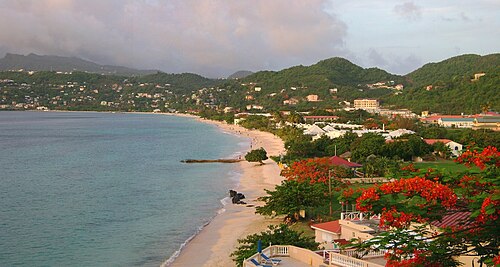
Grand Anse
Two miles of pale sand, usually calm Caribbean water and the island’s broadest collection of hotels, food and watersports. Walk north for more space.
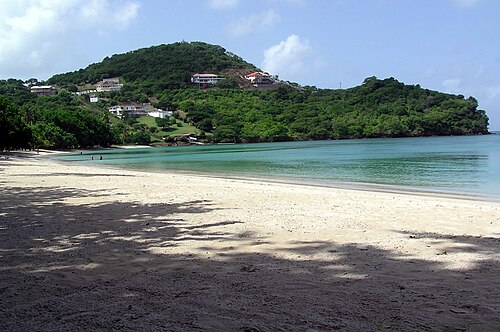
Morne Rouge / BBC Beach
A sheltered turquoise cove with gentler water and a quieter mood than Grand Anse. Excellent for families and a long, lazy lunch.
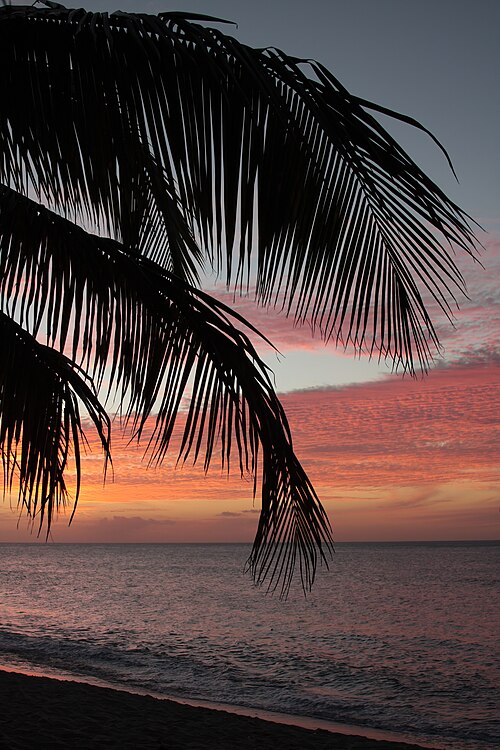
Magazine Beach
Clear water, white sand and useful snorkeling near the southern end. It feels secluded despite being close to the airport.
La Sagesse
A photogenic palm-edged bay backed by mangroves. Quiet, romantic and worth the drive even if you are not staying in the southeast.
Bathway Beach
A favorite local picnic beach on the north coast. An offshore reef softens some waves, but swimmers must still respect Atlantic current and changing conditions.
Levera Beach
Wild sand and Grenadines views inside a protected landscape. Come for scenery and seasonal guided leatherback-turtle watching.
Paradise Beach, Carriacou
A long, calm west-coast beach facing Sandy Island, with clear water, local food and one of the country’s loveliest sunsets.
Sandy Island, Carriacou
A tiny marine-protected sand cay reached by boat. Bring reef-safe habits, use moorings and take every scrap of rubbish back with you.
Anse La Roche, Carriacou
A beautiful cove reached by trail or boat. The extra effort keeps it peaceful; carry water and arrange your return before settling in.
Black Bay
A small dark-sand beach reached by a short trail on Grenada’s west coast, often paired with nearby historic ruins and Concord Falls.
The Atlantic coast carries the greatest exposure.
Checked July 29, 2026
NOAA’s July 25 daily product and CARICOOS reporting show an active, exceptionally large regional sargassum season. Grenada’s Atlantic-facing east and northeast—including some beaches around Soubise, Telescope, Bathway and Levera—are the most exposed. Grand Anse, Morne Rouge, Magazine and many west-coast or Carriacou leeward beaches are usually less vulnerable, but wind can change conditions quickly.
Worth leaving the lounger for
Grenada’s most popular tours.
The best excursions reveal why Grenada feels more complete than a beach-only destination. Group sights geographically; a north-island day is a long way from an afternoon reservation at Grand Anse.
Grand Etang + Seven Sisters
Combine crater-lake rainforest, a waterfall swim and a guided trail chosen for current mud and river conditions.
Spice & chocolate route
Visit a working cocoa estate, learn how nutmeg and mace grow, and taste Grenada’s excellent tree-to-bar chocolate.
Underwater Sculpture Park
Snorkel or dive Jason deCaires Taylor’s marine gallery with a licensed boat inside the Molinere–Beauséjour protected area.
Waterfalls of the interior
Choose Annandale for easy access, Concord for a west-coast circuit or Mount Carmel for a taller, less-developed setting.
Carriacou & Sandy Island
Spend several nights if possible; otherwise use a carefully timed ferry-and-boat combination with schedule padding.
Sunset sail
Cruise the calmer southwest and west coast from Grand Anse, St. George’s or a southern marina.
Leatherback turtles
Join an authorized nighttime conservation tour at Levera during nesting season; never visit nesting females independently.
St. George’s & forts
Walk the Carenage, market and hilltop forts with a guide who can connect colonial history, revolution and modern Grenada.
On & under the water
One of the Caribbean’s strongest combinations of wrecks, reefs and sailing.
Deep-sea fishing
Grenada has an established sport-fishing scene from St. George’s, True Blue and the south-coast marinas. Offshore boats pursue blue marlin, sailfish, yellowfin tuna, mahi-mahi and wahoo, and the island hosts serious billfish competition. Carriacou has fewer charter choices.
Best timing: Tuna can be productive across much of the year, with wahoo, mahi and billfish following seasonal currents and bait. A full day gives the best chance to reach productive blue water.
Scuba diving
Grenada’s headline dive is the 600-foot Bianca C, an advanced deep wreck resting upright near 165 feet; normal profiles remain deep and current can be strong. The Veronica L, Shakem, Hema I and Persia II expand the wreck menu, while Purple Rain, Boss Reef, Flamingo Bay and Happy Valley provide reefs, drifts and macro life for a wider range of divers.
Carriacou’s “Isle of Reefs” offers clear water, walls and drifts around Sister Rocks, Mabouya, Sandy Island and White Island. Expect turtles, rays, barracuda, schooling fish, morays, lobster and occasional reef sharks.
Snorkeling
The Molinere Underwater Sculpture Park is the signature boat snorkel, with more than 65 sculptures in shallow water inside a marine protected area. Flamingo Bay, Magazine Beach, Dragon Bay, Sandy Island and selected Carriacou reefs can be excellent in calm conditions. Use an authorized boat and pay applicable marine-park fees.
Sailing
Grenada is a major southern Caribbean charter and hurricane-season service base. Port Louis, Prickly Bay, Secret Harbour, Clarkes Court/Woburn, St. David’s and Le Phare Bleu provide marina or anchorage options; Tyrell Bay is Carriacou’s principal yachting hub. Sandy Island, Saline Island and the southern Grenadines create a superb cruising route, but reef navigation and trade-wind acceleration deserve respect.
Provision most completely around Grand Anse and St. George’s at Real Value IGA, Foodland and other larger markets; Carriacou has useful basics but fewer specialty items. Yachts arriving from another country must clear customs and immigration at an official port of entry and clear out before continuing into Saint Vincent and the Grenadines. Confirm current offices, hours, cruising permits and SailClear procedures before arrival.
Surfing & paddling
Grenada is not a dependable surf-trip destination. Seasonal Atlantic swell reaches the east and north coasts, but reefs, currents, access and limited rescue infrastructure make local knowledge essential. Kayaking Grand Anse, Morne Rouge, Egmont Harbour or Carriacou’s leeward bays is the more reliable choice.
Culture, spice & trails
The interior smells faintly like someone opened the good cabinet.
Culture
English is official, while Grenadian Creole carries French and African influence. “Liming” means relaxing together; Spicemas erupts in August with Jab Jab, steelpan and masquerade. Carriacou preserves Big Drum traditions, string-band music and wooden boatbuilding. Cricket matters, but so do food, family and the sea.
Oil down—breadfruit, coconut milk, callaloo, turmeric, dumplings and salted meat or seafood cooked in one pot—is the national dish. Cocoa tea, roti, lambie, fried jacks, fresh fish, nutmeg ice cream, chocolate and rum round out a very persuasive research program.
Hiking
Grand Etang offers everything from a short lakeshore outing to the steeper Mount Qua Qua ridge. Seven Sisters rewards with waterfall pools; Concord, Golden Falls and Mount Carmel range from moderate walks to guided adventures. Trails become slippery quickly, rivers rise after rain and signage varies—hire a guide for longer rainforest routes.
The annual calendar
Three reasons to time a trip beyond the beach.
Grenada's spring calendar celebrates cocoa and Carriacou's living musical traditions; summer brings a beloved regatta that feels as much like an island reunion as a sailing event.
Usually late April · Carriacou
Carriacou Maroon & Stringband Music Festival
Big Drum, string bands, quadrille dancing and communal smoked food bring Carriacou's African and European musical heritage into one intimate weekend.Usually May · Grenada
Grenada Chocolate Festival
Cocoa-estate visits, tastings, tree-to-bar experiences and chef events explore why Grenada has become one of the Caribbean's most compelling chocolate destinations.Late July or early August · Carriacou
Carriacou Regatta Festival
Traditional workboats and racing yachts meet music, street parties and famously spirited shore events, including donkey races.Restaurants & hotels
Grenada is exceptionally good at turning geography into dinner.
Savvy’s, Coconut Beach, Umbrellas, Beach House by Silversands and resort dining at Spice Island or Silversands
BB’s Crabback, Sails, local market lunches and Gouyave’s Friday fish stalls
Rhodes at Calabash, Dexter’s, Dodgy Dock, Aquarium and marina restaurants around Prickly Bay
Belmont Estate for farm-linked Grenadian cooking, Petite Anse and Mount Edgecombe
Bogles Round House, Slipway, Paradise Beach spots and small Tyrell Bay kitchens—confirm post-Beryl hours
Hotel strategy
Choose coast before thread count.
Luxury beach
Spice Island Beach Resort, Silversands Grenada, Calabash, Laluna, Six Senses La Sagesse and Silversands Beach House each deliver a different version of refined Grenada.
Independent & midrange
Mount Cinnamon, Blue Horizons, True Blue Bay, Coyaba and locally owned apartments make it easier to eat around and explore.
Carriacou
Favor small locally run hotels and cottages, but verify that rooms, water systems, docks and nearby restaurants are fully operating after Hurricane Beryl.
Practical details
The useful things to know before the nutmeg starts appearing in everything.
Grenadian Creole is also widely heard. English is sufficient throughout the tourism industry.
XCD is fixed at EC$2.70 to US$1. U.S. dollars are widely accepted; change may come back in EC dollars.
Cards work at resorts and larger businesses. Carry EC cash for buses, markets, beach vendors and sister-island stops.
British-style three-pin plugs are standard. Some hotels provide 110V outlets; never assume—check device voltage.
Use filtered or bottled water after storms, during advisories, in rural lodging and on rainwater-dependent sister islands.
Roads are narrow, steep and winding. Rental companies can arrange the required local driving permit.
Cash & cards
Cards work well at resorts, established restaurants and larger shops. Carry EC cash for buses, markets, beach vendors, trail fees and smaller businesses—especially on Carriacou and Petite Martinique.
Transportation
Cars drive on the left. Rental companies can arrange the required local driving permit. Roads are narrow, steep and winding; avoid learning them for the first time after dark. Public minibuses are inexpensive and useful Monday–Saturday along main routes, but not ideal for waterfall hopping or luggage.
Safety
The U.S. advisory is Level 2 as of January 5, 2026 due to crime. Avoid isolated beaches after dark, secure villas and cars, use licensed taxis, protect valuables and allow for slower police response than at home. Waterfalls, currents and wet mountain roads may be the more immediate everyday risks.
Health & vaccines
Be current on routine vaccines; CDC recommends hepatitis A for unvaccinated travelers and may advise hepatitis B or typhoid based on age and itinerary. Mosquito protection matters for dengue and Zika risk. Yellow-fever vaccination is not generally recommended for Grenada itself, but an entry certificate can apply after travel through certain risk countries.
Research desk
Official sources & live checks
Ferry timetables, dive sites, trail access, airline schedules, health advice and post-storm openings can change. These primary and specialist sources are the best starting points before booking.