Know the island
The Caribbean’s most independent dive trip.
Bonaire is not a conventional beach-resort island. Its coast is often coral-rock, its landscape is cactus-dry, and its nightlife is gentle. What it offers instead is extraordinary freedom: rent a truck, collect tanks and choose among dozens of protected reefs whenever the mood—or the yellow roadside stone—strikes.
A brief history
Caquetío people lived here before Spanish arrival in 1499. The Dutch took control in 1636; salt production and colonial plantations relied on enslaved African labor. Emancipation came in 1863. Bonaire later became part of the Netherlands Antilles.
When that federation dissolved on October 10, 2010, Bonaire became a special municipality of the Netherlands. Its identity remains distinctly Caribbean, expressed most vividly through Papiamentu, food, music and Rincon’s traditions.
What Bonaire is most known for
World-famous shore diving, the protected Bonaire National Marine Park, Klein Bonaire, flamingos, salt pans, Washington Slagbaai National Park, Lac Bay windsurfing and an easygoing capital whose license plates quite reasonably read “Diver’s Paradise.”
Geography
Bonaire is a dry, boomerang-shaped island about 24 miles long and 3–5 miles wide, roughly 50 miles off Venezuela. The sheltered west coast carries the fringing reef; the windward east is rougher. Uninhabited Klein Bonaire lies just offshore.
Plan your trip
Warm water, trade winds and very little seasonality.
February–April
Dry, breezy and reliably sunny, with peak demand and excellent west-coast diving.
May–September
Warm, windy and generally dry. Excellent diving; Lac Bay windsurfing is in its element.
October–January
Higher rain chances and humidity, often with lighter wind and attractive rates.
Is Bonaire hurricane-safe?
No island is hurricane-safe. Bonaire lies south of the main Atlantic hurricane corridor and direct strikes are unusual, but distant storms can still produce heavy rain, surge and damaging seas. Keep flexible plans during the June–November season.
Arrivals
How to get to Bonaire.
Fly into Flamingo International Airport (BON). Nonstop schedules from North America are limited and seasonal, while Amsterdam and regional connections through Curaçao or Aruba broaden the options. There is no dependable scheduled public passenger ferry from Aruba or Curaçao.
Arrive by air
BON sits immediately south of Kralendijk. Most hotels are 5–20 minutes away; north-coast and Lac Bay stays take longer. Pay the official Visitor Entry Tax before travel when possible, then collect a taxi or prearranged rental truck.
The Visitor Entry Tax is separate from STINAPA’s mandatory $40 Nature Fee used to access the marine park and Washington Slagbaai.
Choose your base
Where to stay in Bonaire
For divers, tank access and gear storage matter as much as the room. For everyone else, choose between walkable Kralendijk, quiet southern villas and wind-brushed Lac Bay.
Best for dedicated dive trips
Hato & north Kralendijk
The island’s classic dive-resort corridor puts house reefs, tank rooms and drive-through fills at your door. It is wonderfully practical, though less walkable for dinner than central Kralendijk.
- Nearby
- Bari Reef, Cliff, Andrea I & II, Oil Slick Leap
- Consider
- Buddy Dive, Captain Don’s Habitat, Den Laman & Sand Dollar
Best for restaurants & going car-light
Central Kralendijk
Stay near the colorful waterfront for the easiest evenings, shops and water taxis to Klein Bonaire. Cruise days get busy and most shore-diving exploration still rewards a rental truck.
- Nearby
- Cha Cha Cha, Something Special & Klein Bonaire by boat
- Consider
- Divi Flamingo, Harbour Village, The Downtown Hotel & boutique apartments
Best for quiet villas & southern dive sites
Belnem & Punt Vierkant
South of the airport, low-key oceanfront properties sit close to Salt Pier, Hilma Hooker and the double-reef sites. You gain serenity and sunset views, but drive for most restaurants.
- Nearby
- Bachelor’s Beach, Windsock, Te Amo, Salt Pier
- Consider
- Delfins, Bellafonte, Belmar, Courtyard by Marriott & oceanfront villas
Best for windsurfing & shallow-water calm
Lac Bay & Sorobon
The breezy southeast trades deep-water diving convenience for a broad, warm lagoon and relaxed barefoot atmosphere. It is remote from town and vulnerable to sargassum.
- Nearby
- Sorobon, Lac Cai & mangrove channels
- Consider
- Sorobon Luxury Beach Resort, windsurf lodges & small rentals
Best for local character & nature
Rincon & the north
Bonaire’s oldest town places you closer to Washington Slagbaai and the island’s cultural heart. Choose it for quiet and authenticity, not nightlife or immediate tank logistics.
- Nearby
- Washington Slagbaai coves, Karpata & 1000 Steps
- Consider
- Bamboo Bonaire, intimate guesthouses and countryside apartments
Bring water shoes
Beautiful water, unconventional beaches.
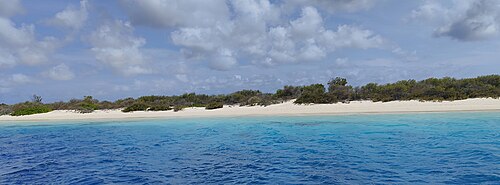
No Name Beach, Klein Bonaire
The island’s most classic pale-sand-and-turquoise beach, reached by water taxi. Bring water and shade; the snorkeling drift is the real headline.
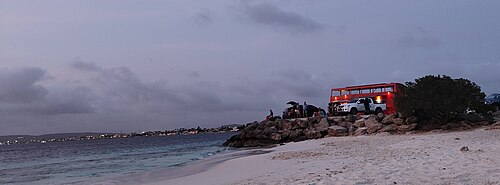
Te Amo Beach
A compact sandy favorite beside the airport with easy swimming, food trucks and clear water. Arriving aircraft add a wonderfully Bonairean bit of theater.
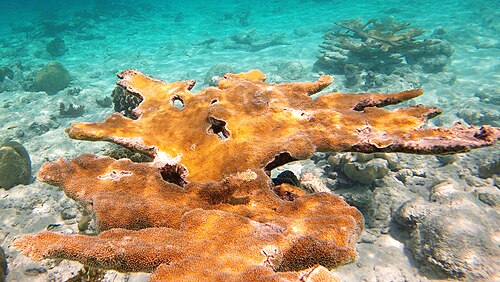
Bachelor’s Beach
A tiny sand shelf below a low cliff, reached by steps. Best at lower tide and excellent for an easy snorkel or shore dive.
Sorobon & Lac Bay
Warm, shallow aquamarine water ideal for windsurfing and families. Protect seagrass and follow marked access routes in this fragile lagoon.
1000 Steps
There are really 67 limestone steps, but scuba cylinders improve the arithmetic. The cove is beautiful, rocky and excellent for snorkeling.
Wayaka II
A small, vivid cove inside Washington Slagbaai National Park. Road conditions and park closing times make it a planned full-day stop.
Pink Beach
More coral-rubble blush than powder-soft pink sand, with photogenic salt pans nearby. Water shoes help and conditions vary.
The sheltered west coast is usually the escape route
Reviewed July 26, 2026
Sargassum most often reaches the windward east and southeast, especially Lac Bay, Lagun and exposed coves. The west coast and Klein Bonaire are usually far less affected, though wind shifts can change conditions. Sargassum in Lac Bay can be ecologically sensitive and removal is managed.
On & under the water
This is why you came.
Deep-sea fishing
Bonaire’s famous reef drops rapidly into deep Caribbean water, creating genuine offshore opportunities close to Kralendijk and Klein Bonaire. Local charters troll or work FADs for wahoo, mahi-mahi, yellowfin tuna, sailfish and blue marlin, with many crews practicing catch-and-release for billfish.
Best timing: Charters operate year-round, with species changing through the seasons. Confirm whether the trip is trolling, jigging at FADs or deep dropping, because each creates a very different day.
Diving Bonaire
Compare rental shops and dive resorts, understand the Nature Fee and orientation, open the official maps, choose sites by region and skill level, plan truck-and-tank logistics, and build a safer week of shore diving.
Scuba & snorkeling
Official tourism information lists more than 85 sites, including 54 accessible from shore. Most west-coast dives begin over a shallow shelf and descend along a fringing reef; southern sites add a double reef. Visibility is often excellent and macro life—frogfish, seahorses, blennies and shrimp—is a strength.
- Signature dives: Karpata, 1000 Steps, Bari Reef, Salt Pier, Hilma Hooker and Alice in Wonderland.
- Boat-worthy: Klein Bonaire, inaccessible northern sites and the windward east coast with a specialist guide.
- Reef reality: bleaching and stony coral tissue loss disease have changed the reefscape. Bonaire remains rewarding, but “untouched” is no longer an honest description.
Sailing
Bonaire’s entire leeward coast lies inside a protected marine park. Anchoring is prohibited; visiting yachts use designated moorings off Kralendijk and complete formalities with local authorities. This is a superb dive stop, not a sprawling cruising ground. Provision in Kralendijk and confirm mooring availability before arrival.
Windsurfing & kiting
Lac Bay’s warm, waist-deep water and dependable trades make Sorobon a world-class windsurfing classroom. Kitesurfing centers operate at Atlantis Beach on the southwest coast. Conventional surfing is limited and inconsistent.
Culture & land
Salt, cactus and a very pink horizon.
Culture
Papiamentu is the island’s heartbeat, alongside Dutch, English and Spanish. Rincon preserves harvest celebrations, music and food traditions; Simadan and Dia di Rincon are major cultural moments. Bonaire’s living culture deserves as much attention as its celebrated dive sites.
Hiking
Washington Slagbaai offers routes to Brandaris, Bonaire’s 784-foot high point, plus coastal trails and birding. Start early, carry more water than feels reasonable and check park-entry times. Guided cave exploration is safer and protects fragile bat habitat and archaeological sites.
Washington Slagbaai
Make a full day of rough roads, cactus forest, coves, flamingos and panoramic viewpoints.
Klein Bonaire
Water taxi to No Name Beach, then drift-snorkel over the protected reef.
Lac Bay mangroves
Kayak with a licensed guide through nursery habitat—never enter closed channels independently.
South island loop
See salt mountains, flamingos, slave huts, the lighthouse and vivid pink ponds.
Rincon
Explore Bonaire’s oldest town with local food, heritage and a visit to the Cadushy Distillery.
Donkey Sanctuary
Meet rescued donkeys while learning how free-roaming animals shape island conservation.
The annual calendar
Two celebrations worth shaping a Bonaire trip around.
Bonaire’s Dutch-Caribbean identity takes center stage in April, while October turns Kralendijk’s waterfront into the island’s great sailing room. Confirm the current program before booking, as supporting events and exact regatta dates can shift.
April 27 · Primarily Kralendijk
King’s Day
An official ceremony is followed by music, street celebrations and a cheerful abundance of orange in honor of King Willem-Alexander’s birthday.Usually October · Kralendijk & surrounding waters
Bonaire International Sailing Regatta
A week of sailing competition, wind-powered sport, waterfront food stalls, arts and crafts, and live evening entertainment.Eat & sleep well
Small island, unexpectedly serious table.
Reserve tasting menus and waterfront favorites early, especially during winter. Then balance them with food trucks, a Rincon lunch and whatever fresh catch appeared that morning.
Brass Boer, CHEFS, At Sea, Sebastian’s or Zara’s
It Rains Fishes, Karel’s, Rum Runners or Ingridiënts
Posada Para Mira, Cactus Blue, Stoked Foodtruck and island snacks in Rincon
Kabritu stobá, keshi yená, fresh fish, funchi, pastechi and a cactus-based kadushi soup
Hotel shortlist
Built for divers
Buddy Dive, Captain Don’s Habitat, Divi Flamingo, Belmar and Den Laman combine tanks, storage, house reefs and experienced operations.
Refined & romantic
Harbour Village, Delfins, Bellafonte and Bamboo Bonaire offer more design, privacy or resort finesse.
Wind & stillness
Sorobon is made for Lac Bay days; villas around Punt Vierkant suit independent travelers who value space.
Before you go
The practical details.
English and Spanish are also widely understood.
USD is the official currency; ATMs and cards are common.
Carry cash for small vendors, tips and occasional park or roadside needs.
Some properties also have 220V outlets. Check sensitive equipment and chargers.
Desalinated tap water is potable and generally tastes good.
A high-clearance pickup is the dive-trip standard; roads can be rough and dark.
Transportation
There is no useful public-bus network for visitors. Taxis serve the airport and town, but a rental car is the practical choice; shore divers need a pickup with tank racks. Never leave valuables in the vehicle at dive sites.
Safety
Bonaire carries a U.S. Level 1 advisory. Opportunistic theft from parked vehicles is the visitor issue to plan around. Leave the truck visibly empty, secure passports at lodging and use extra care on dark roads shared with donkeys and goats.
Health & vaccines
Keep routine vaccines current and check CDC guidance for your itinerary. Prevent mosquito bites because dengue can occur. Divers should carry evacuation coverage, respect no-fly intervals and know that Bonaire has a recompression chamber.
Cost
Expect mid-to-high pricing. A comfortable trip often runs US$180–320 per person per day before flights; dive-resort packages can be better value than booking rooms, trucks and unlimited tanks separately. Add the $75 Visitor Entry Tax and $40 Nature Fee.
Fees, entry rules, dive-site access, health advice and conditions change. Reconfirm with STINAPA, official tourism sources and your operator before travel.
Research desk
Official sources & live checks
This guide was last reviewed July 26, 2026. Use these links for the latest conditions.